Choose a cooking surface before choosing a set
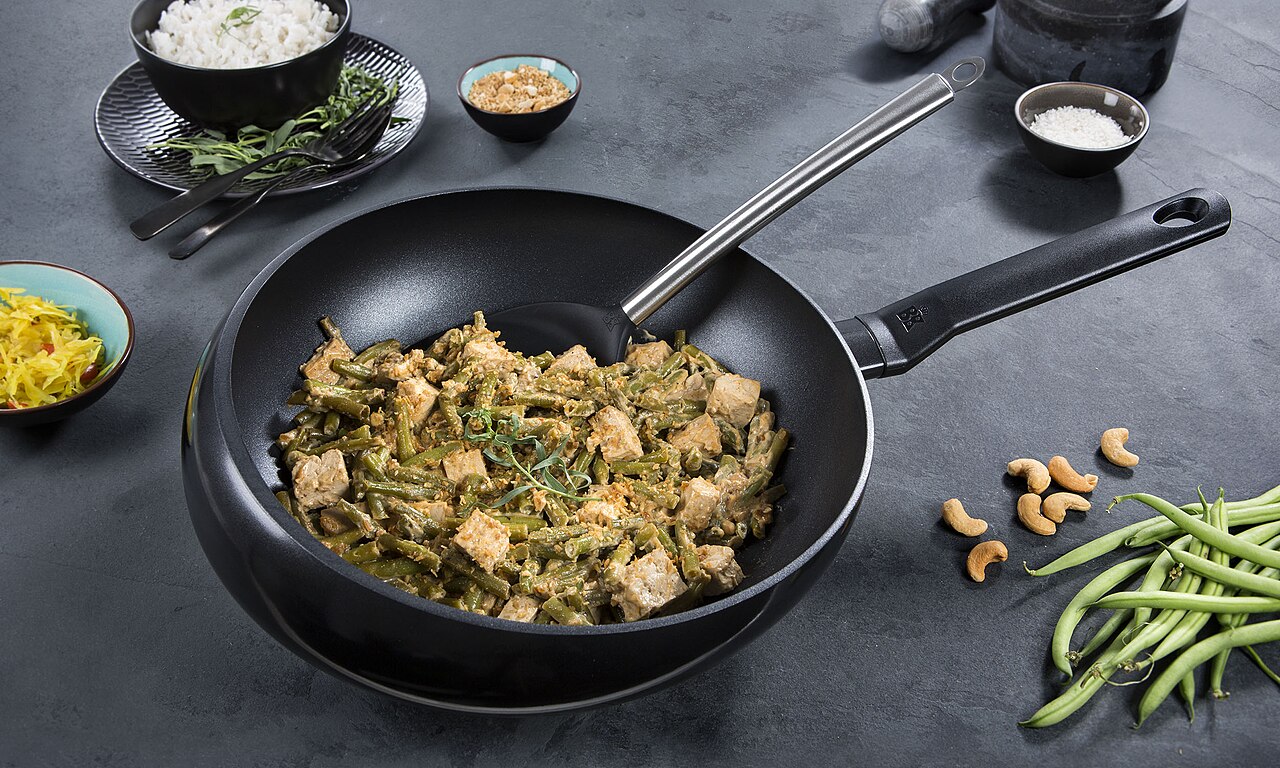
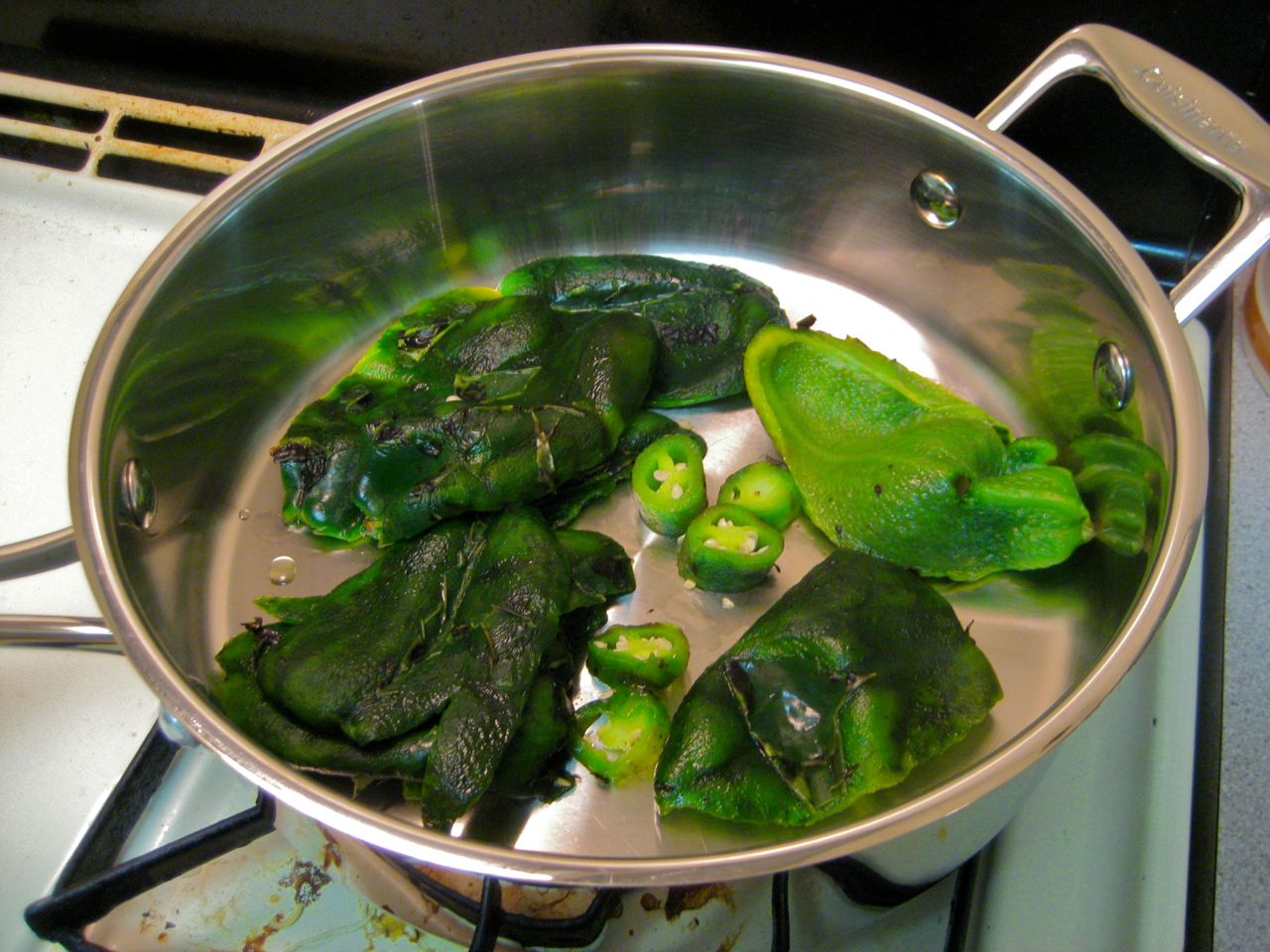
Start with the job you want your next pan to handle. For browned food and a pan sauce, our shortlist would begin with uncoated stainless steel. For delicate foods where easy release is the priority, we would compare nonstick models. All-Clad’s care guide discusses browning and deglazing under stainless cookware and identifies eggs and fish as uses for its nonstick cookware. These are documented uses, not results from our own kitchen tests. All-Clad use and care
A useful purchase does not need to replace every pan you own. Write down the meal that frustrates you most, then identify the missing capability. That gives you a better shopping question than asking which material is best at everything.
Stainless describes a material; nonstick describes a surface
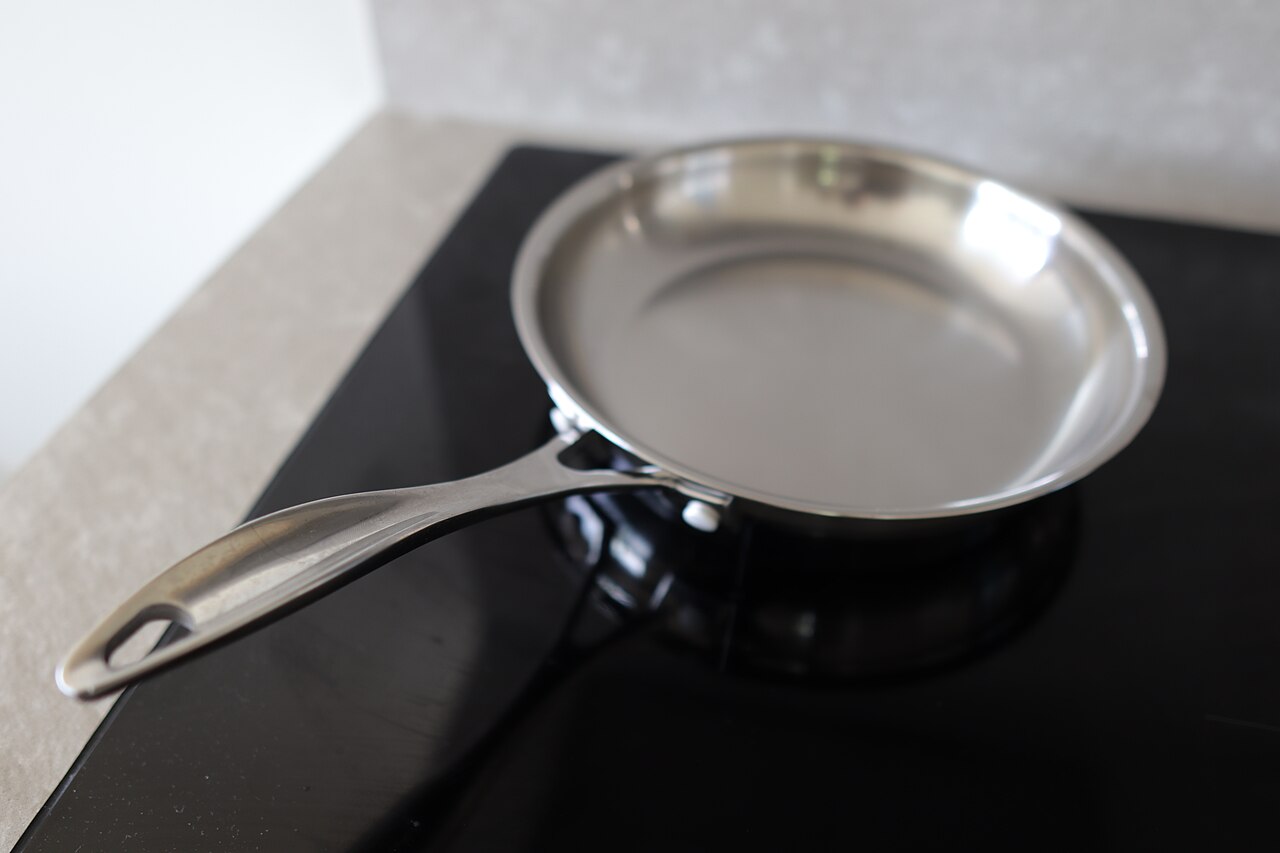
These labels are not mutually exclusive. All-Clad’s care guide includes a separate section for stainless steel cookware with a nonstick coating. When we compare stainless and nonstick here, stainless means an uncoated cooking surface. Check the actual interior rather than choosing from the name of the base material alone. All-Clad use and care
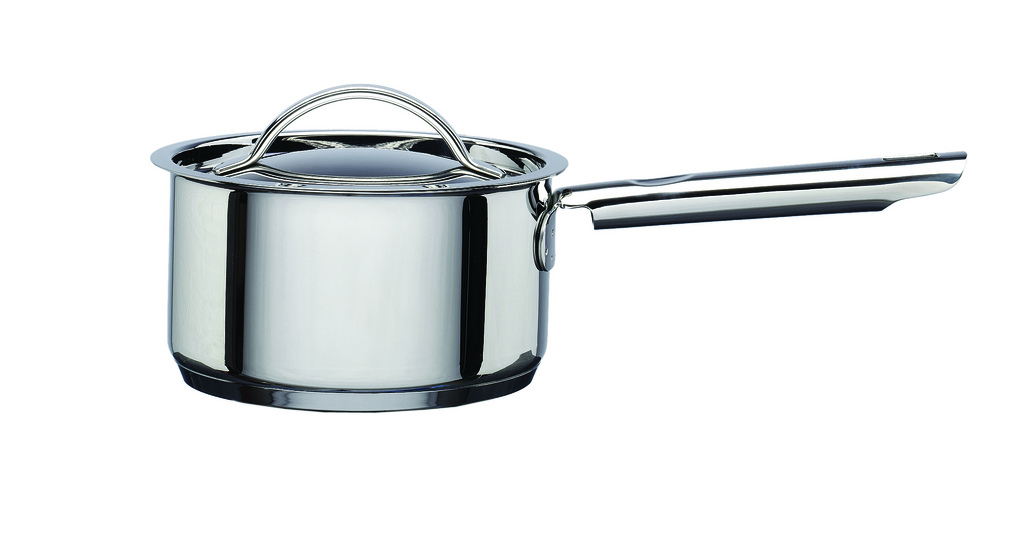
All-Clad’s D3 collection is a documented example of bonded stainless cookware, with an aluminum layer between stainless layers and manufacturer-listed induction compatibility. Those specifications apply to that collection; they do not establish that every stainless pan has the same construction or works on your cooktop. All-Clad D3 collection
Before comparing prices, make two columns: cooking surface and construction. Record each separately for the exact products on your shortlist. A material label alone leaves too much unanswered.
Match the choice to your main frustration
- Want browned bits to become part of a sauce? Our first comparison would be between uncoated stainless skillets. All-Clad documents that use in its stainless care guidance.
- Want easier release for delicate foods? Start by comparing nonstick models and their care requirements. All-Clad presents easy release as a benefit of its nonstick cookware.
- Already own a useful stainless pan but dislike using it for eggs? Consider filling that specific gap instead of buying a complete matching set.
- Still unsure? List three meals you make regularly and decide which missing pan would solve the most frequent problem.
The first two suggestions follow the manufacturer’s descriptions; the latter two are our shopping advice. They are not a measured performance ranking. Stainless care and uses · Nonstick collection
Read the care requirements as part of the price
A surface that appeals to you still has to suit your routine. All-Clad’s guidance for its nonstick cookware recommends gentler utensils and limits the use of high heat. The details vary by collection. Read the exact product’s instructions before buying rather than borrowing a rule from another pan with a similar appearance. All-Clad use and care
Our checklist would include permitted utensils, recommended cleaning method, replacement-part availability and storage space. Ask which of those requirements you are willing to accommodate. An inexpensive pan that conflicts with your everyday habits may be an awkward purchase even when its specifications sound attractive.
Confirm the whole pan’s compatibility
Check the exact model’s cooktop compatibility, oven permissions, lid restrictions and handle details separately. A collection-wide headline is not enough to establish permission for every component or accessory. For operating temperatures and cleaning procedures, use the current model instructions; this buying guide does not supply operating directions.
Our final recommendation is to choose the surface for a specific task, then check construction, fit and care before ordering. We have not measured food release, heat distribution or durability. Keep the manufacturer’s specifications beside your own priorities, and buy the smallest addition that solves a real gap in your kitchen.